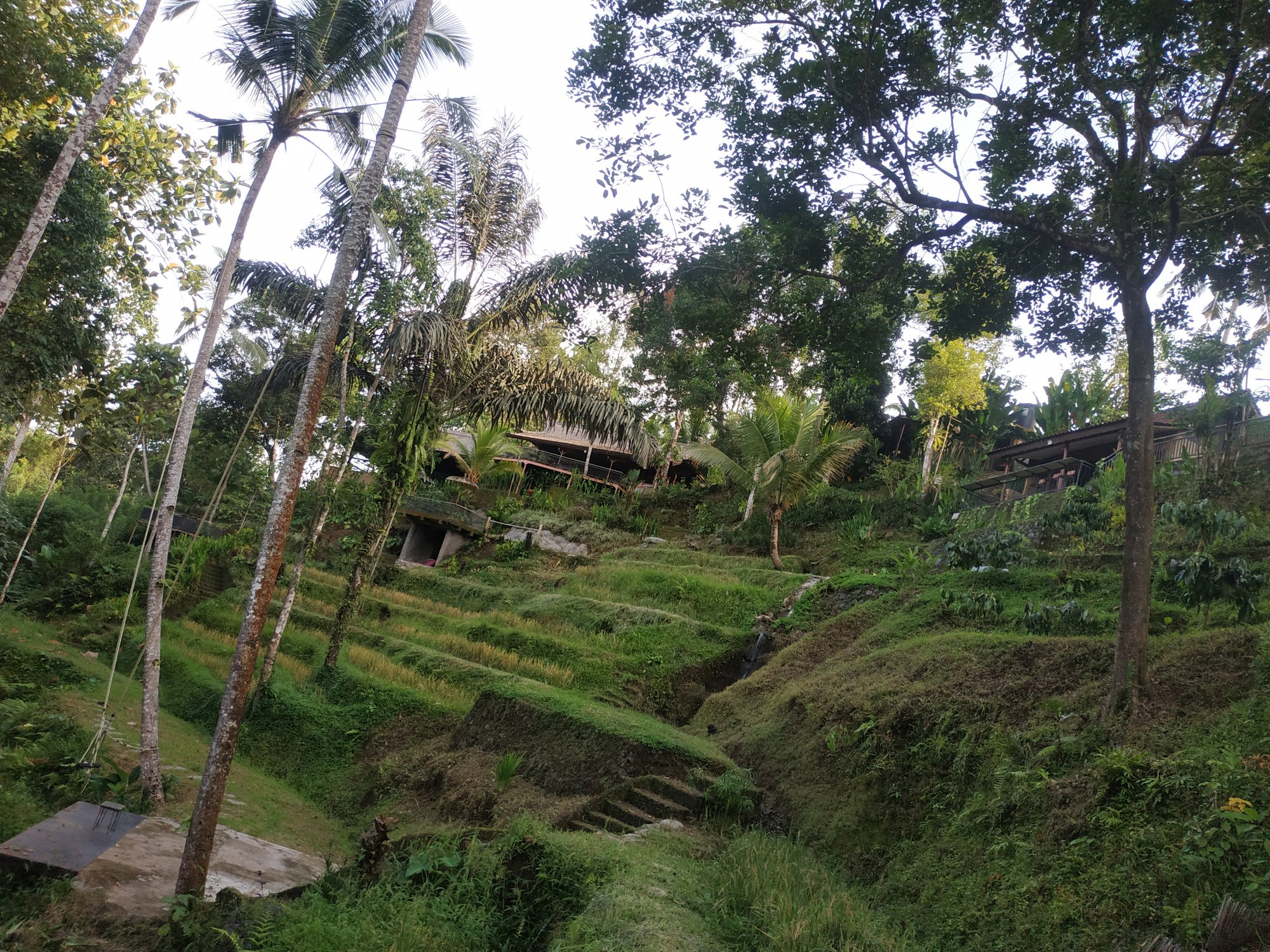


DUKUH SARI
Luwak COffee - Restaurant - Swing
@ ds_luwak_coffee
WA_087761741684
FB_Dukuh Sari Coffee & Eatery
Luwak COffee
Kopi luwak comes from the digestive system of civets, so it can be said to be "civet poop coffee" It sounds gross, but when you try it, it's very smooth and not too bitter.
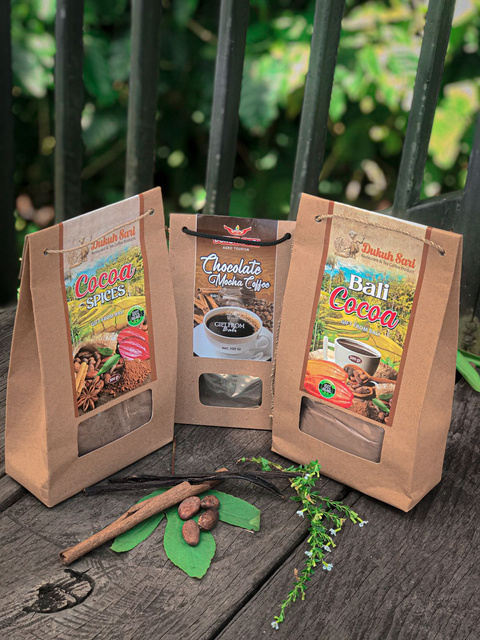
Luwak COffee Product

A CUp of luwak coffee

coffee and tea testing
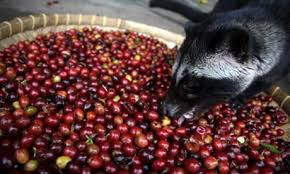
LUWAK COFFEE
Luwak coffee, also known as civet coffee or kopi luwak, is a type of coffee that is made from coffee beans that have been eaten and excreted by the Asian palm civet, a small mammal native to Southeast Asia. The name "luwak" comes from the Indonesian word for civet.
Here's how the process works: The Asian palm civet consumes the coffee cherries, which contain the coffee beans. The beans undergo fermentation as they pass through the civet's digestive system. After being excreted, the beans are collected from the feces of the civet. They are then thoroughly washed, dried, and roasted.
The unique factor associated with luwak coffee is the claim that the digestive enzymes of the civet enhance the flavor of the coffee beans during fermentation. Proponents of luwak coffee believe that the enzymes break down certain proteins and reduce bitterness, resulting in a smoother and less acidic cup of coffee.
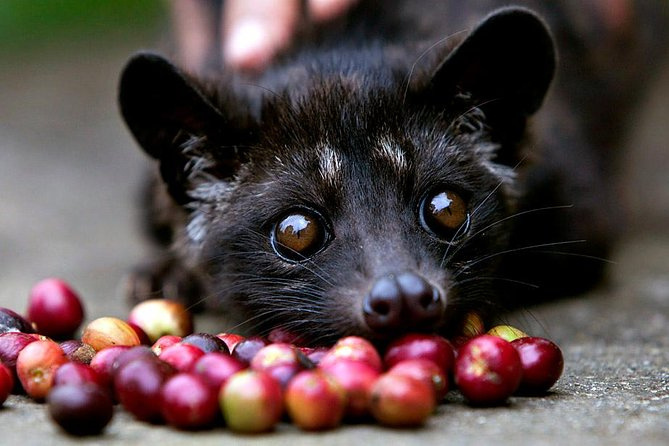
History Of Luwak Coffee
The history of luwak coffee can be traced back to Indonesia, particularly the islands of Sumatra, Java, and Bali, where it originated. The exact origin of luwak coffee is uncertain, but it is believed to have been discovered during the colonial era of the Dutch East Indies, which lasted from the early 17th century until the mid-20th century.
During this period, the Dutch established coffee plantations in the Dutch East Indies (now Indonesia) and introduced coffee cultivation on a large scale. Coffee became a valuable commodity, and the Dutch colonialists enforced strict controls over the production and trade of coffee beans.
As part of this system, local farmers were not allowed to harvest coffee cherries for personal use. However, they noticed that the Asian palm civets, which roamed freely in the coffee plantations, would eat the ripest coffee cherries. The civets would digest the fruit pulp but excrete the coffee beans intact.
The resourceful farmers began collecting the coffee beans from the civet droppings and discovered that the beans had undergone fermentation during the civet's digestive process. They observed that this fermentation seemed to improve the flavor of the beans when brewed as coffee.
Initially, luwak coffee was consumed by the local farmers themselves or traded locally. It was considered a low-cost alternative to the high-quality coffee enjoyed by the Dutch colonialists. Over time, luwak coffee gained recognition for its unique flavor and started to attract attention from coffee enthusiasts.
In the late 20th century, as the specialty coffee market expanded globally, luwak coffee began to be exported and gained popularity among international coffee connoisseurs. Its rarity, exotic production process, and perceived superior taste contributed to its reputation as one of the most expensive and exclusive coffees in the world.
Restaurant menu
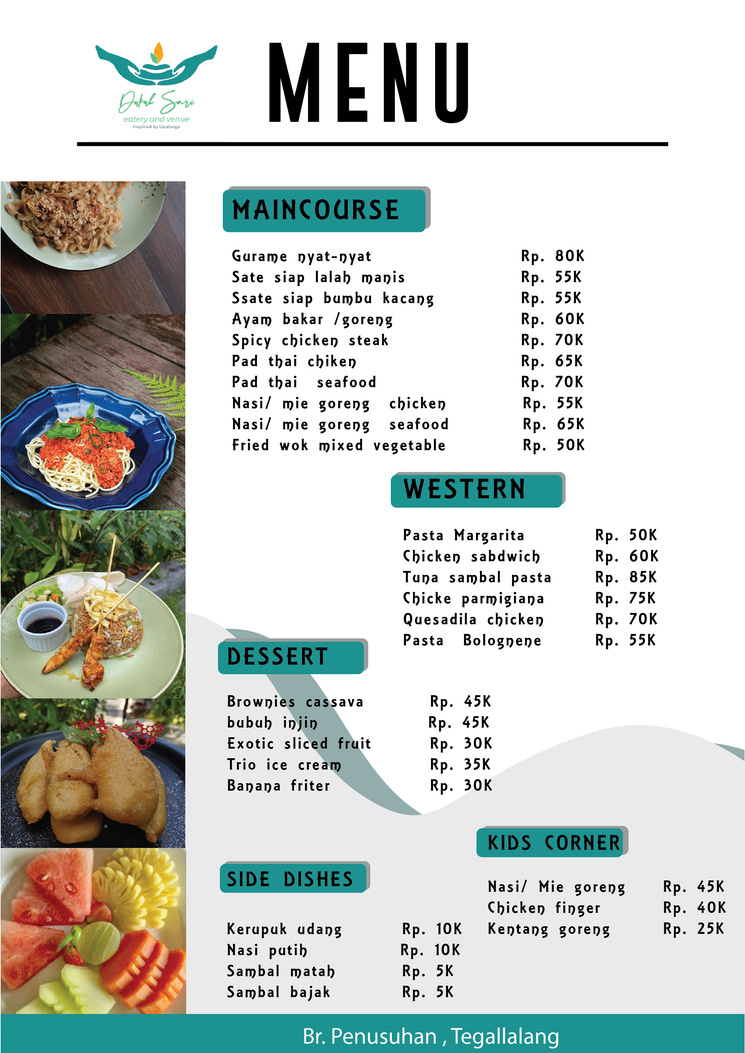

Restaurant menu


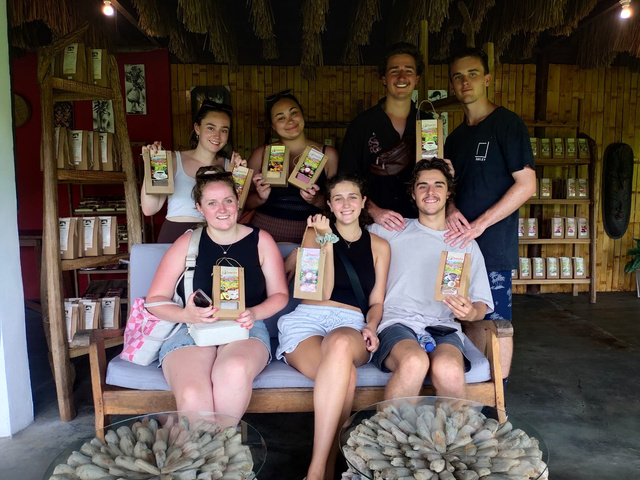


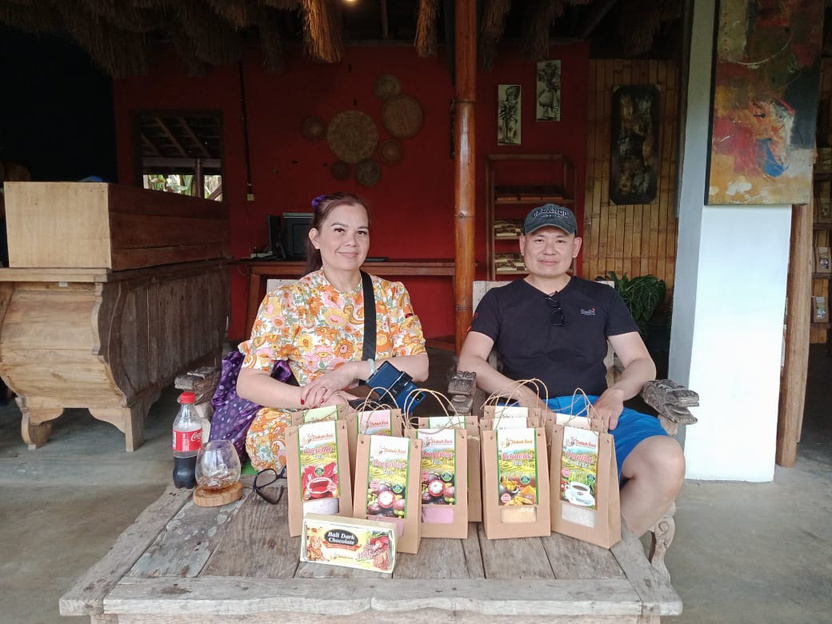
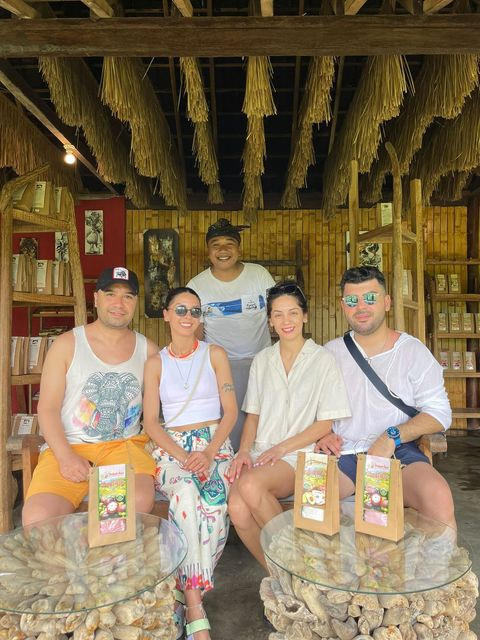
MOMENT
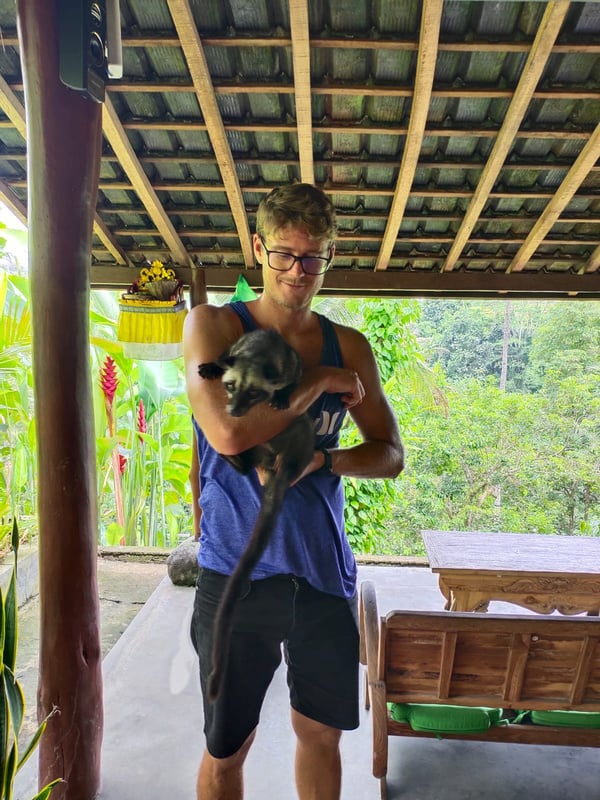
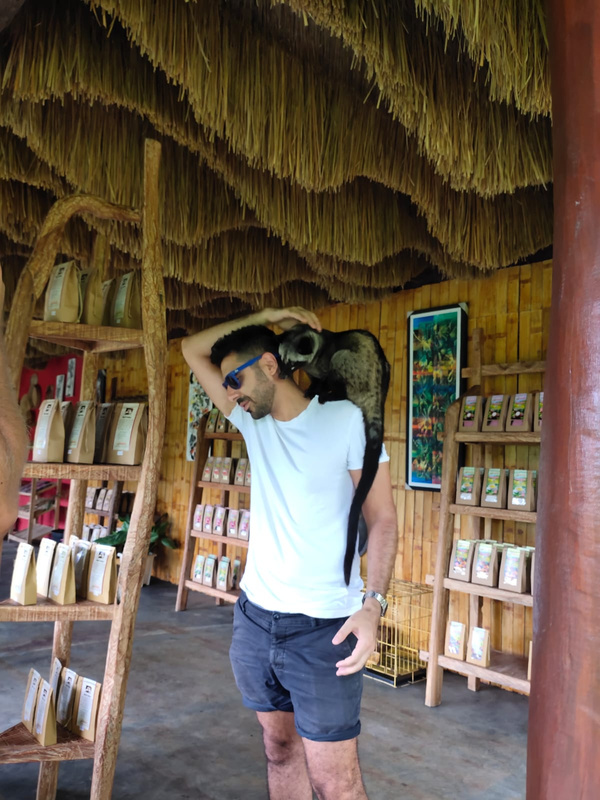
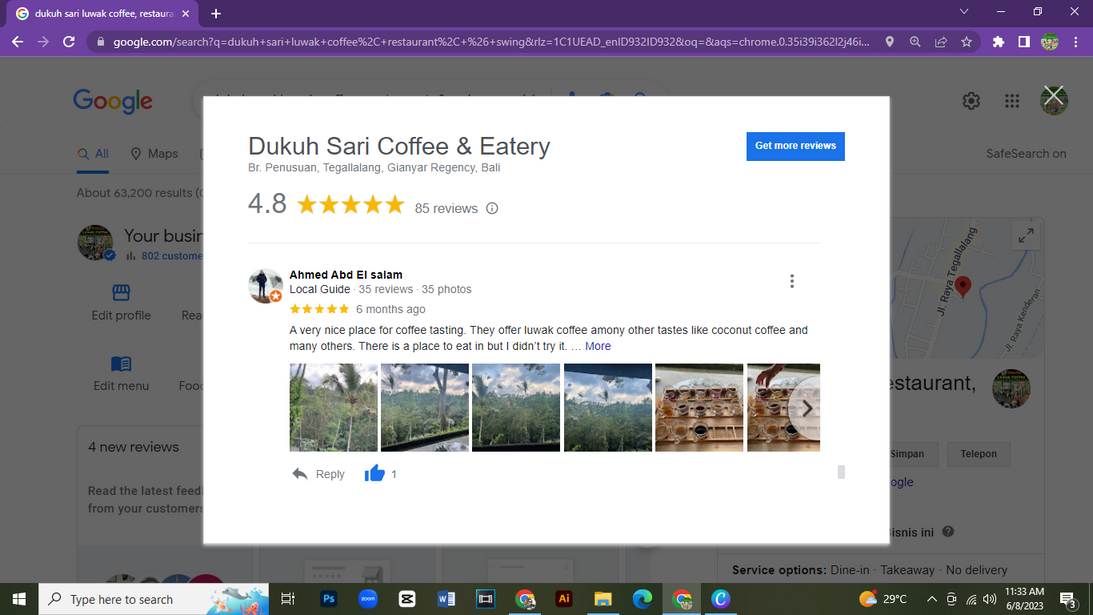
RIVEW


@ ds_luwak_coffee
WA_087761741684
FB_Dukuh Sari Coffee & Eatery